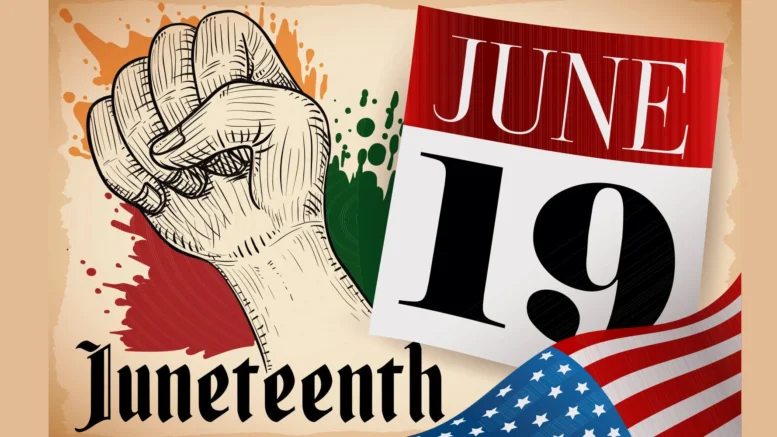
Annual celebration deepens spiritual meaning of emancipation while strengthening community bonds
Every June 19th, congregations across America gather not just to commemorate the end of slavery, but to celebrate what many African American church leaders call a manifestation of divine deliverance. Juneteenth, marking the day in 1865 when news of emancipation finally reached enslaved people in Texas, holds profound spiritual significance within Black churches nationwide.
“Juneteenth is our Passover,” explains Rev. Dr. Angela Williams, pastor of Mount Olive Baptist Church in Atlanta. “It represents God’s faithfulness to deliver His people from bondage, just as He delivered the Israelites from Egypt. For our community, this isn’t just history—it’s testimony.”
The connection between Juneteenth and African American faith traditions runs deeper than historical parallel. Many churches view the holiday as validation of prayers whispered in slave quarters, songs of hope sung in cotton fields, and sermons preached in hidden gatherings throughout the antebellum South. The delayed arrival of freedom to Texas—two and a half years after the Emancipation Proclamation—mirrors the biblical theme that God’s timing often differs from human expectations.
“Our ancestors believed in freedom before they saw it,” says Bishop Michael Thompson of the African Methodist Episcopal Church in Houston. “Juneteenth proves that faith sustained in darkness eventually meets the dawn.”
Churches across the country mark Juneteenth with special services, community gatherings, and educational programs that blend celebration with reflection. Many congregations organize freedom marches, gospel concerts, and intergenerational storytelling sessions where elders share family histories of emancipation. Red velvet cake and strawberry soda—traditional Juneteenth foods—often appear at church fellowship halls alongside prayers of thanksgiving.
The holiday also serves as a platform for addressing contemporary issues. Pastor James Robinson of New Hope Community Church in Detroit notes that Juneteenth sermons frequently connect historical liberation with ongoing struggles for justice and equality. “We celebrate how far we’ve come while acknowledging how far we have to go,” he says.
For younger church members, Juneteenth provides crucial context for understanding their heritage. Sunday school programs often spend weeks leading up to June 19th exploring themes of freedom, resilience, and faith through African American history. Children learn spirituals that sustained enslaved communities, study biblical stories of deliverance, and hear testimonies from older congregants whose grandparents lived through emancipation.
The holiday’s recent federal recognition has brought increased visibility to celebrations that Black churches have maintained for generations. While some worry about commercialization, most church leaders welcome the broader awareness as an opportunity to share their community’s rich traditions and ongoing faith journey.
“Juneteenth reminds us that freedom is both a gift from God and a responsibility to others,” reflects Rev. Dr. Sarah Jackson of Ebenezer Baptist Church in Memphis. “In our churches, we don’t just celebrate what happened in 1865—we recommit ourselves to the ongoing work of liberation and love.”
As Juneteenth approaches each year, the sounds of “Swing Low, Sweet Chariot” and “We Shall Overcome” once again fill sanctuaries where faith and freedom have always been inseparable. For African American churches, June 19th represents not just a historical milestone, but a sacred reminder that deliverance comes to those who keep believing, even when freedom seems impossibly far away.
The celebration continues to evolve, but its core message remains constant: faith sustained communities through their darkest hours and continues to light the path toward a more just future. In churches from Texas to Maine, Juneteenth stands as both remembrance and renewal—a holy day when history and hope converge in celebration of God’s enduring faithfulness to His people.
Be the first to comment on "Faith and Freedom: How Juneteenth Resonates Through African American Churches"